
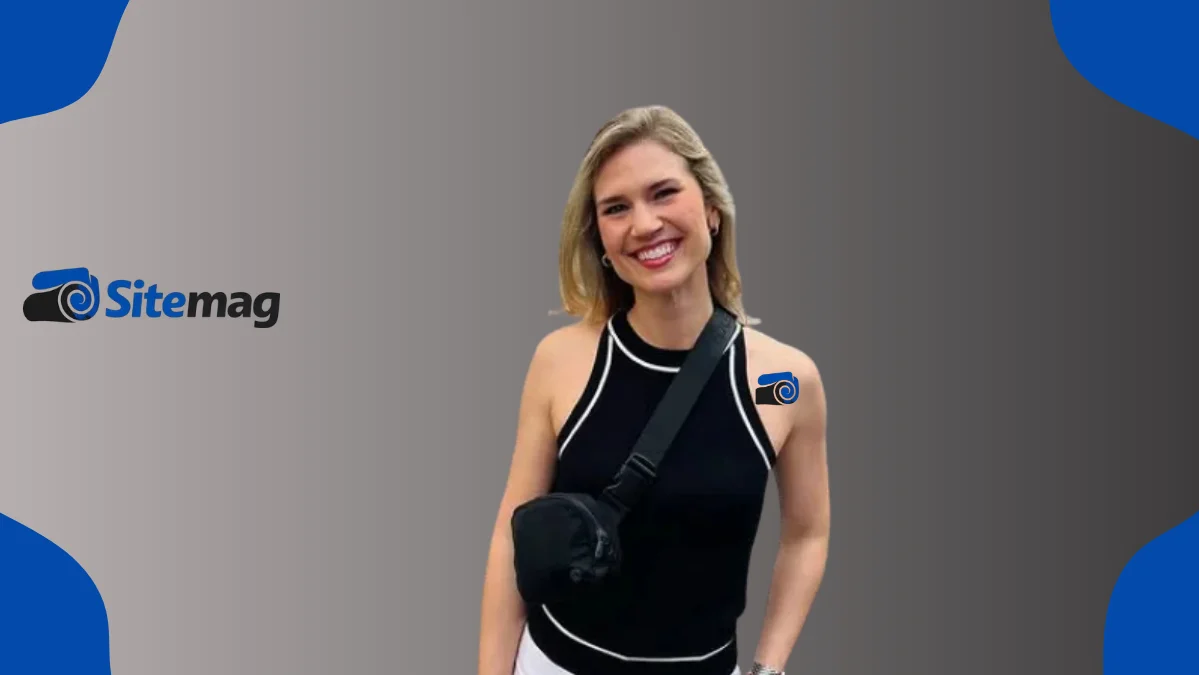
In the age of digital footprints, it’s rare for a name to generate significant search traffic while remaining almost entirely shrouded in mystery. Yet, that is exactly what has happened with Joanne Tsimpinos. If you’ve spent any time digging into the history of the intelligence community or the personal life of former CIA officer John Kiriakou, you’ve likely seen her name pop up in the related searches.
But who is she?
Is she a whistleblower, a family member, or just a victim of a persistent search engine glitch?
The John Kiriakou Connection
The primary driver of interest in Joanne Tsimpinos is her recurring association with John Kiriakou. As many know, Kiriakou is the former CIA analyst who made headlines—and faced a prison sentence—for blowing the whistle on the agency’s use of waterboarding. Because of his high-profile legal battles and his status as a polarizing figure in the intelligence world, public curiosity naturally spills over into his personal life.
This is where things get tricky.
Search engines often connect “Joanne Tsimpinos” with “John Kiriakou,” but there isn’t much public record that shows they were married or worked together. In most cases, this happens when a name appears in a genealogical record or a secondary legal document that the internet’s “bots” have indexed and cross-referenced. For now, the link appears to be more of a digital coincidence than a public partnership.
A Masterclass in Digital Confusion
Part of the reason Joanne Tsimpinos is so frequently searched is due to “name clustering.” The internet often groups similar-sounding names together, leading users down a rabbit hole of unrelated people.
To set the record straight:
She is not Joanne Carole Schieble; that was Steve Jobs’ biological mother.
She is not Joanne Simpson; this is a common name shared by several professionals in the arts.
She is not Heather Kiriakou: Heather is a private individual actually linked to John’s family, often mentioned in media interviews regarding his legal challenges.
Why the privacy?
Unlike the public figures she is often searched alongside—like former CIA Director John Brennan—Joanne Tsimpinos has never sought the spotlight. Most of the reliable data on her comes from quiet, historical sources: family trees, old community obituaries, and public records.
She represents a category of person the internet struggles to categorize: the private citizen. In 2026, we expect everyone to have a LinkedIn, an Instagram, or a Wikipedia page. When someone doesn’t, the internet’s “vacuum” fills with speculation.
The Bottom Line
Ultimately, the fascination with Joanne Tsimpinos says more about our curiosity regarding the “whistleblower era” of the CIA than it does about the woman herself. She is a private individual whose name has been swept up in the wake of larger-than-life public figures.
Until a verified source or the individual herself decides to speak publicly, she remains a name in the margins—a reminder that not everyone mentioned in the history of the “Great Game” of intelligence is actually a player in it.
Read Also: Abithelp Tablets: A Comprehensive Guide to Uses, Dosage, and Safety
Quick Breakdown: FAQ
Is she a whistleblower?
No. There is no evidence suggesting she worked for the CIA or any other intelligence agency.
Is she still active in 2026?
Public records suggest she maintains a very low profile, with no public appearances or media statements to date.
Why does she show up with John Kiriakou?
It’s likely a result of search engine algorithms linking names from shared community or genealogical data points.
What should I believe?
Stick to verified records. If a story sounds like a “spy thriller” but has no citations, it’s probably just internet noise.